


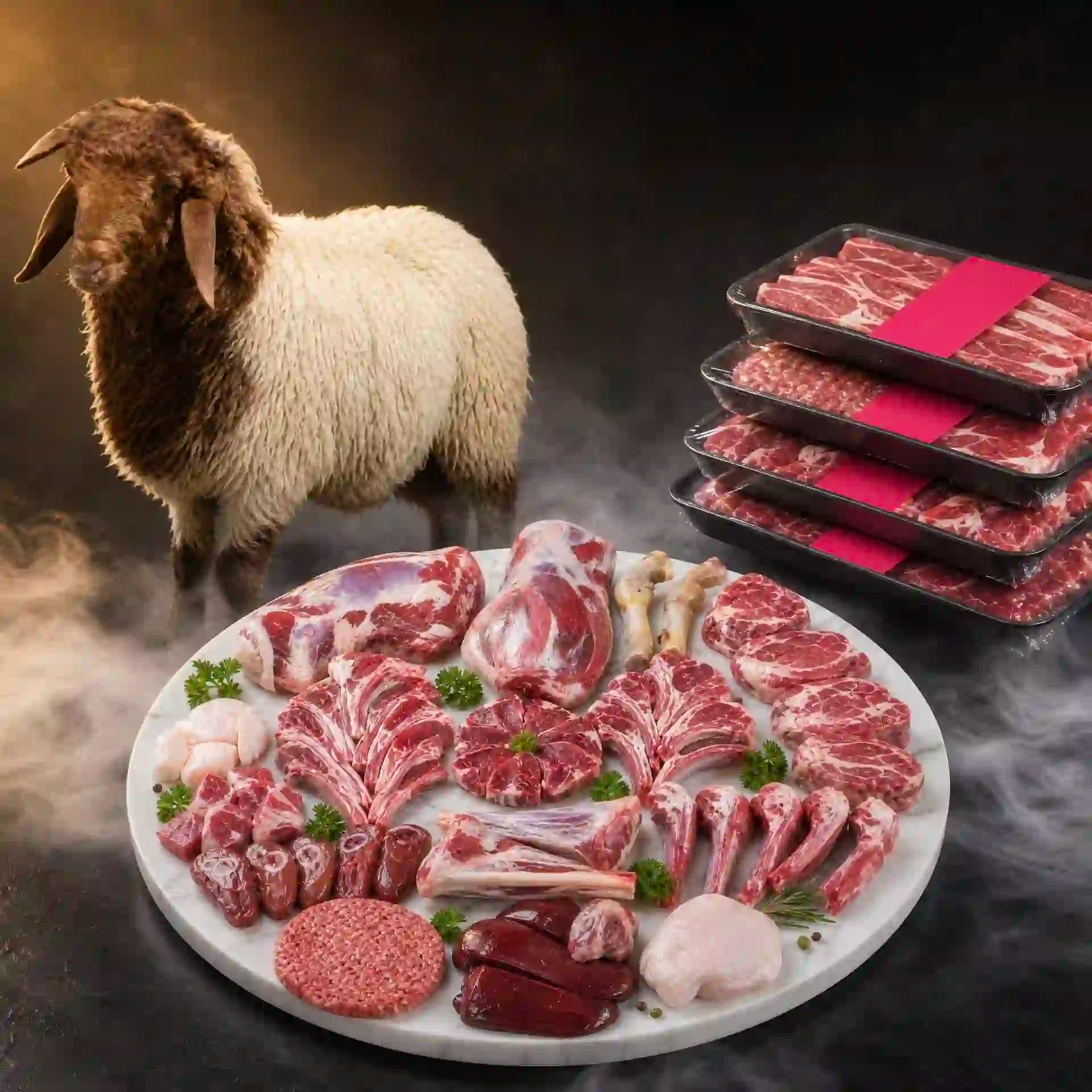


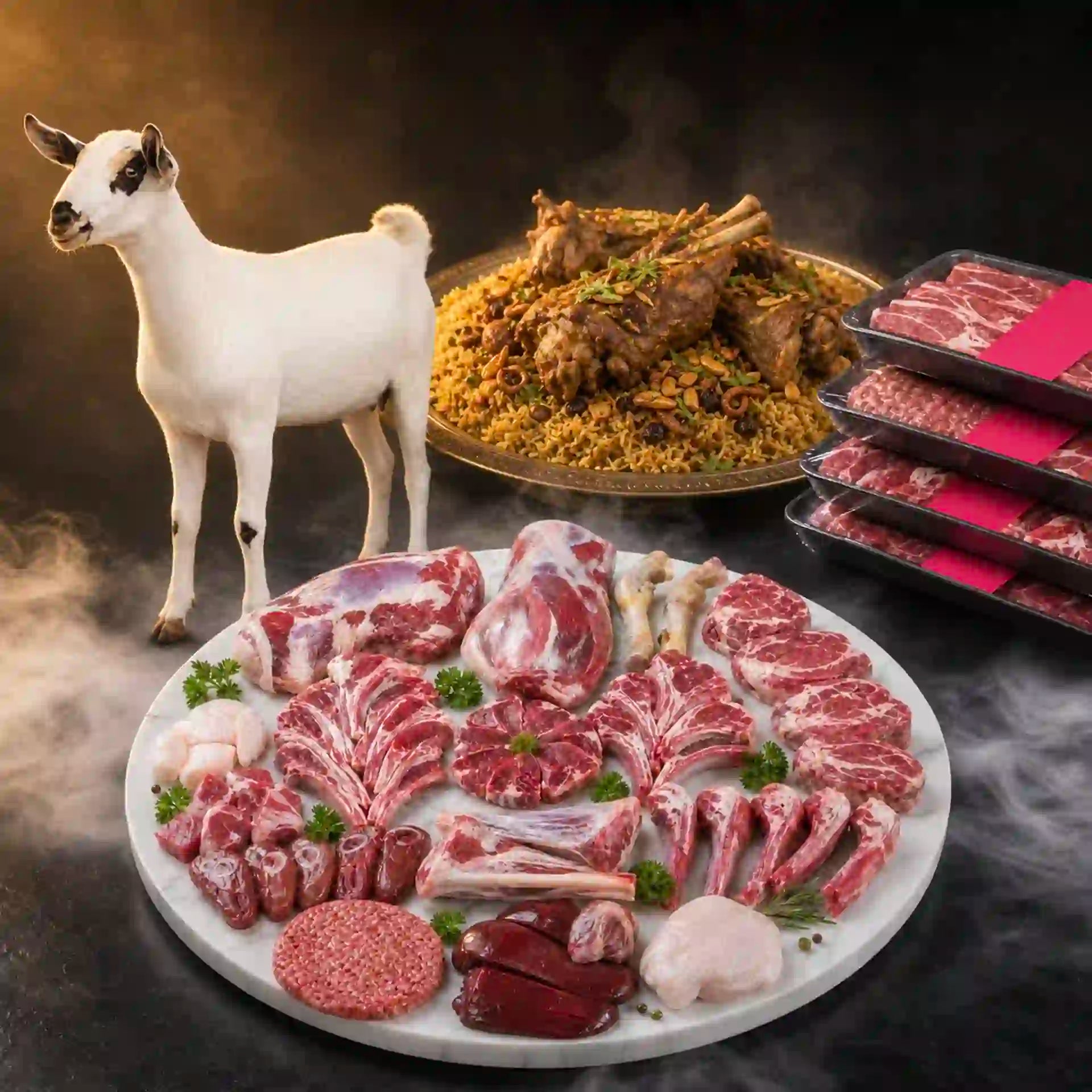


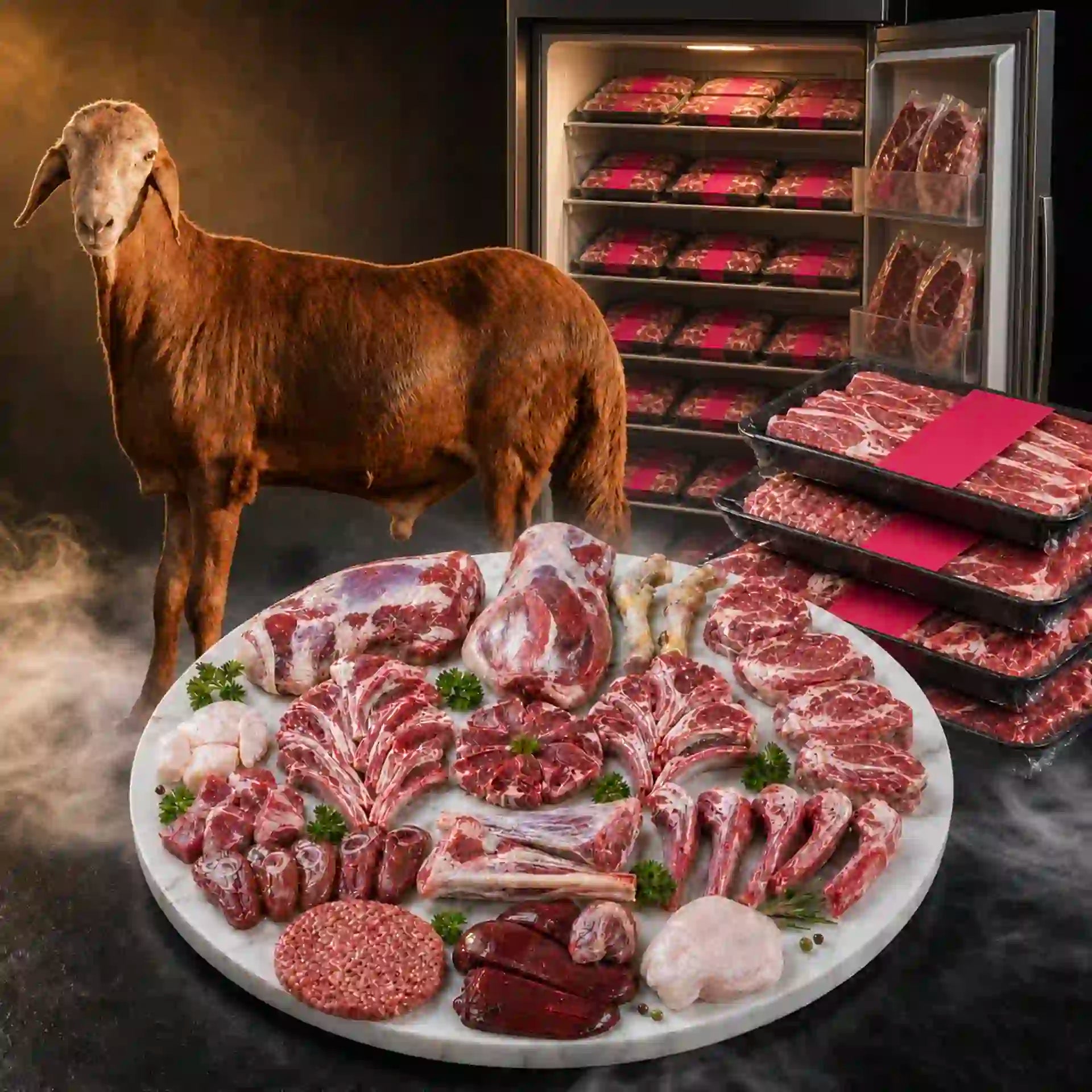


What is lamb? The benefits of lamb, and the best cooking methods.
Share!
Slaughtered animals are among the most popular products in the Gulf Arab states, especially in Saudi Arabia. For a long time, slaughtering animals has been a symbol of hospitality and welcoming guests.
The ritual slaughter of an animal, like other customs, traditions, and rich heritage in our region, has its own set of rules and etiquette for handling it before, during, and after slaughter, as well as for cooking and eating. Among the pre-slaughter etiquettes are offering water to the sheep, keeping the knife hidden from it, and ensuring the slaughter is performed humanely, among other things.
The breed of the carcass is not the only determinant of its quality, but there are many criteria that determine it, including breed, age, type, pasture, veterinary care, method of slaughter and skinning, method of cutting, packaging, transportation, cooking and serving.
Dear reader, if you are interested in learning more about slaughtered animals, this article is suitable for you. We hope it will enrich your knowledge and answer your questions. You can also contact the Consumer Awareness Department if you wish to obtain additional information about the world of meat.
Let us explain to you what sheep is and what determines its quality. Sheep is defined as:
In the name of the sheep, and its flock is the sheep, and its scientific name is sheep, and it is considered one of the sub-breeds of goats, where the male is called a ram or lamb and the female is called a ewe, sheep or ewe.
Types of lamb
There are many well-known sheep breeds and hybrid breeds that have been developed over time for economic purposes such as increasing the meat yield, wool or milk production, or increasing breeding seasons and producing twins.
Among the most famous and finest breeds, distinguished by their unparalleled excellence in meat, wool, and milk production, is the Awassi (Naimi). Other meat breeds include the Swakni, Suffolk, and Roman, and of which the Swakni, Roman, and Spanish sheep are known. Among wool breeds, the Merino is one of the most famous, including Australian, New Zealand, and American sheep. The Karakul is considered a fur breed.
Many European countries have crossbred the Awassi breed (Naeemi sheep) to improve the quality of their lamb meat and wool, including what we know as the Roman and Spanish sheep.
There are many other breeds in many countries around the world, but the Naeemi sheep remains the best.
sheep ages
The average lifespan of a sheep is 10 to 12 years. Sheep are named according to their age. A male is called a "Harfi" during the first three months, then a "Jadha'" from three to twelve months. At two years old, it is called a "Thani," at three years old, and at four years old, a "Thulth." A female is called a "Rakhla" in her first year, and after giving birth, she is called a "Sha'a" or "Na'ja."
What is lamb?
Lamb is a meat known for its numerous health benefits, providing the body with a wealth of protein, iron, minerals, phosphorus, and fiber. Lamb liver is particularly high in protein and iron, and is also rich in vitamins A and D. While the kidneys contain protein and minerals, they are difficult to digest. Lamb marrow is a rich source of phosphate, which is beneficial for bone health. The heart of a lamb is high in fiber and contains moderate amounts of protein and fat. The internal organs of the lamb, such as the intestines and spleen, are also rich in protein.
The concentration of proteins, fats and other organic substances varies in the organs of the carcass, giving each part a different taste.
Among the most important factors affecting lamb meat quality are feed and veterinary care during rearing. The type of feed helps concentrate protein and other organic nutrients, and it's essential to ensure that the feed used during the rearing period is grass-based or organic to enhance meat quality and flavor. Regular veterinary supervision is also crucial, as sheep are susceptible to various diseases, including parasites, foot rot, mouth infections, and itching, among others.
Sheep reach full maturity by the end of their first year, but many in our region prefer lamb from the ham or young lamb for its tenderness and quick cooking time. It should be noted that the sacrifices for Eid al-Adha and Aqiqah have specific religious requirements, including that the sheep must be at least seven months old.
Net meat percentage for lamb:
The percentage of lean meat produced varies depending on the breed, age, and feed used. However, it is generally accepted that the lean meat percentage in Naeemi sheep, for example, is 51% of the live weight, taking into account the fat tail, which can reach 10% of the lean weight. In contrast, the lean meat percentage in Suwakni, Romanian, and Spanish sheep can reach 54% of the live weight, and these sheep do not have fat tails. Pre-slaughter procedures can also significantly impact lean meat production, such as the sheep's health before slaughter, feeding it in the hours immediately preceding slaughter, and, in some cases, the disposal of the liver. Many people who intend to slaughter sheep want to know the final weight of the meat in kilograms.
Shop the latest products from Meat & More in the whole carcass section by the kilo , with other exclusive offers on the latest fresh lamb products with fast shipping to your doorstep.
In conclusion, we hope we have provided you with some useful information about sheep. Here are some important tips for choosing your sacrificial animal:
- Ensure that sheep receive the necessary veterinary care and attention, and that the veterinary inspection is completed before slaughter.
- Ensure that feeding has been stopped for at least 6 to 9 hours before slaughter.
- Ensuring compliance with Islamic guidelines during slaughter
- Ensure that the slaughtering took place in a licensed and municipally approved slaughterhouse.
- Ensure the carcass is chilled for 4 hours before delivery to maintain meat quality.
- Ensure the carcass is transported and stored at a temperature of 4 degrees Celsius.
- Ensure the head matches the carcass body
- Make sure that the fat of the slaughtered animal is white, its meat is bright red, and it has a pleasant smell.
- Ensure the liver is free of cysts and blood nodules.
- Ensure the meat is firm, and that if pressed with a finger, it does not leave a deep indentation but returns to its natural shape.
Consumer Awareness Department
Your destination for the world of meat


