


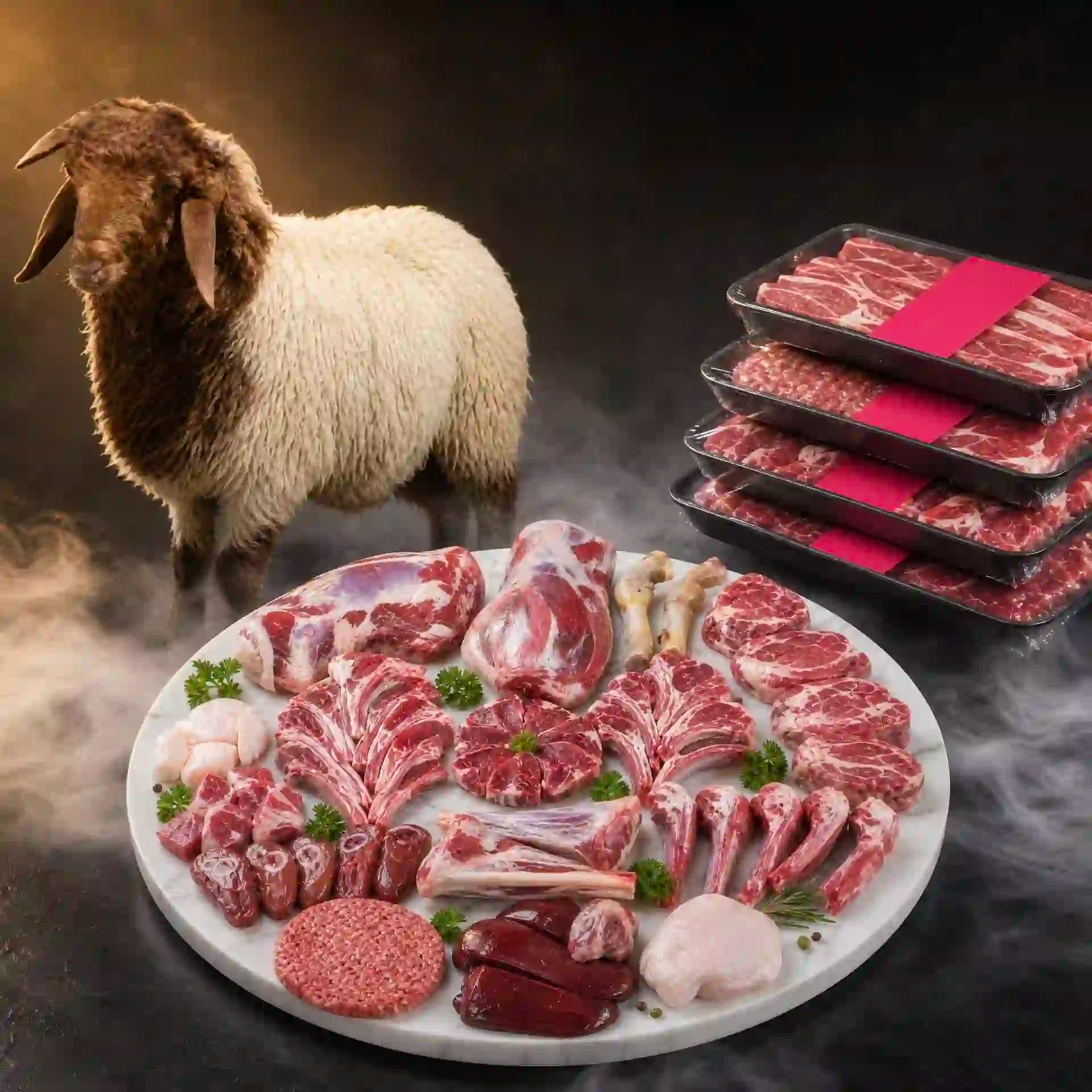


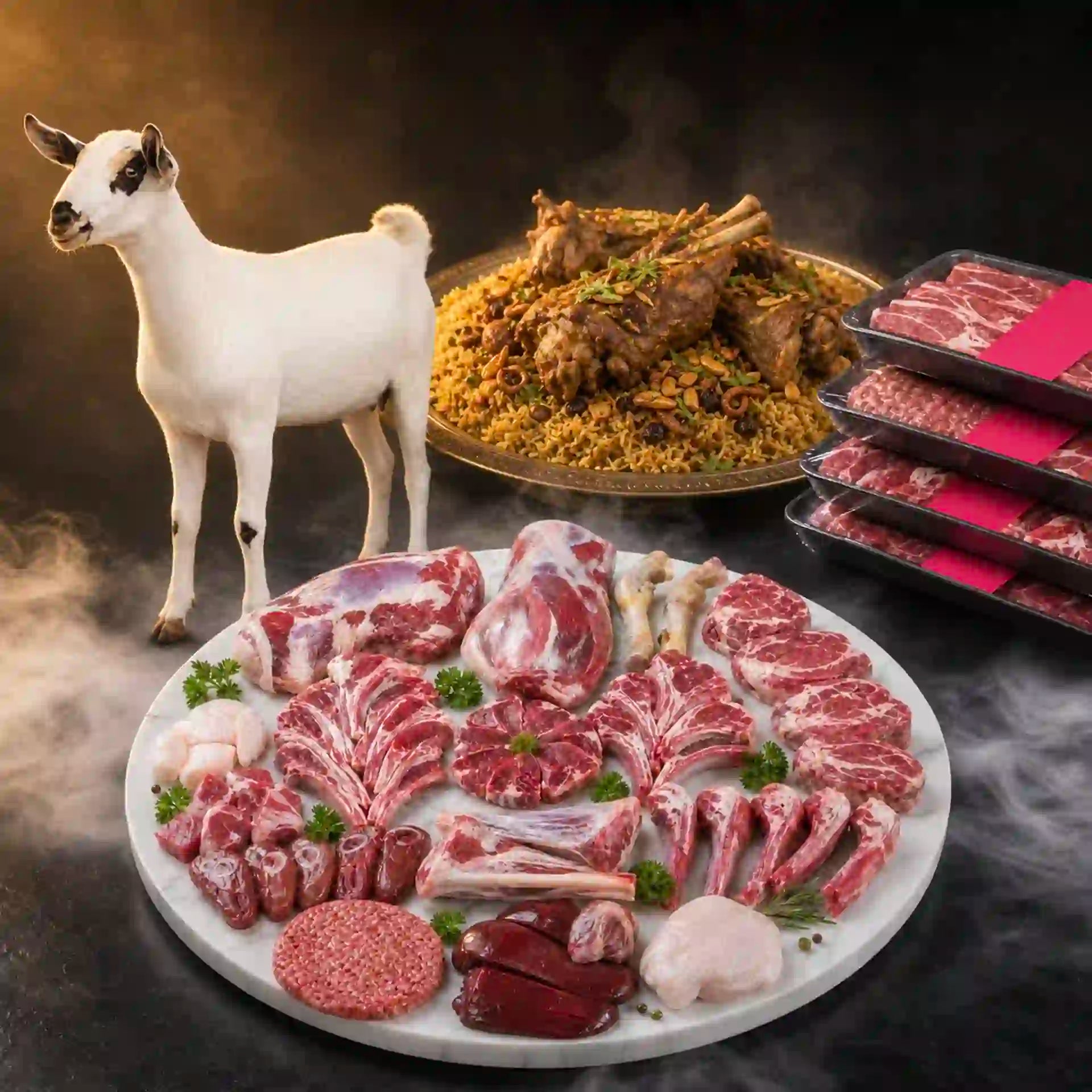


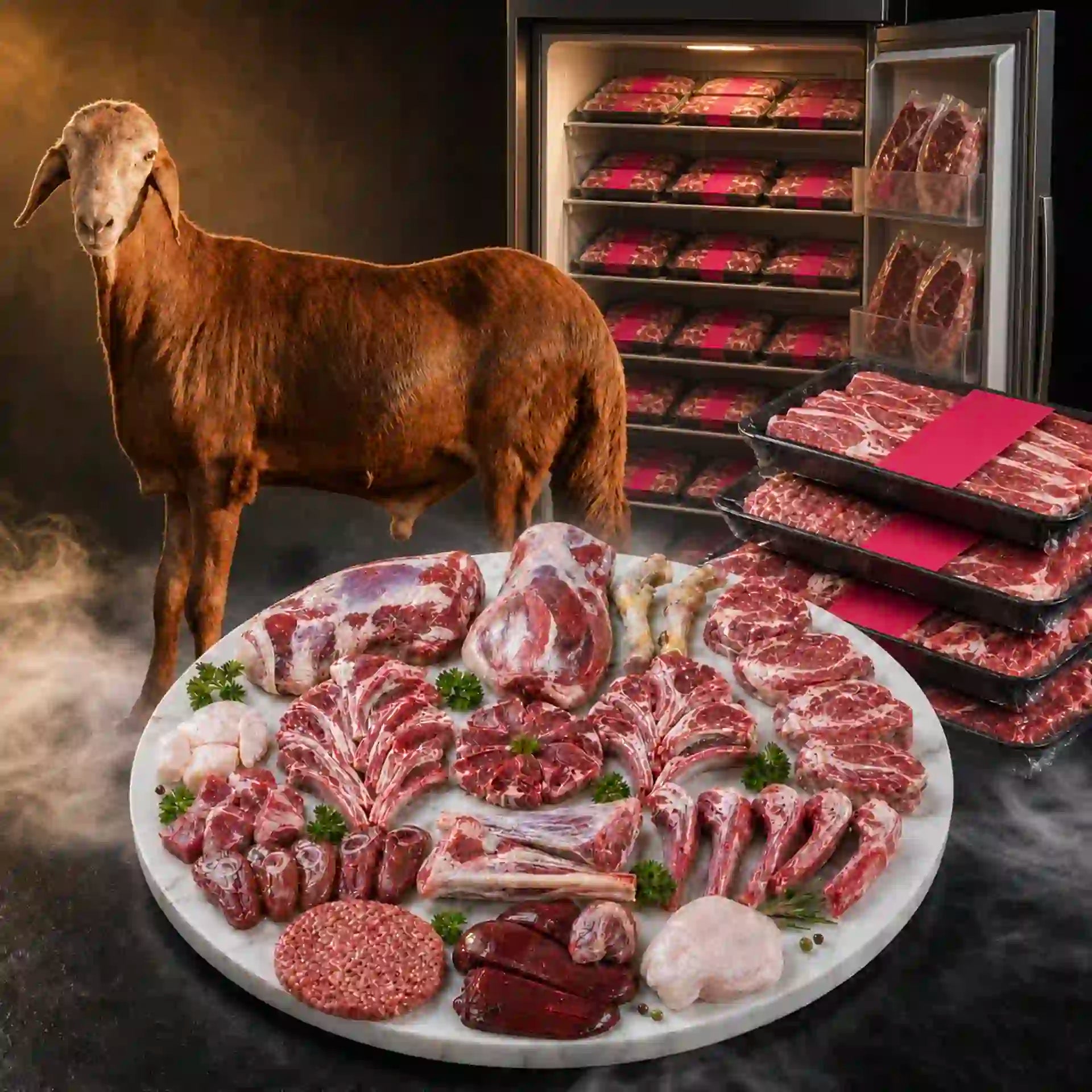


Wagyu fat is closer to olive oil than regular beef fat.
Share!
Is it possible to combine a premium steak with "lighter" fat ?
When we hear the word "fat," we often get an immediate feeling of guilt. But over time, it has become clear that the quality of fat is more important than just the quantity.
Here's a curious question:
Is it possible for a premium Wagyu steak to contain fats that are closer in composition to the fats of olive oil, which is known for its health benefits?
In this article from Meat & More, we take a calm look at:
What is Wagyu oil?
What makes olive oil special?
Similarities and differences between them
- And how to benefit from Wagyu meat within a balanced lifestyle, without exaggeration or hyperbole.
A quick overview – the most important things you'll know in this article
Wagyu oil is rich in monounsaturated fats, primarily oleic acid; the same acid found in high concentrations in olive oil.
Olive oil remains the most popular daily source of oleic acid, and often contains a higher percentage of this acid than most animal fats.
Replacing a portion of saturated fats in the diet with monounsaturated fats (such as oleic acid) is associated with improved blood cholesterol and reduced LDL (bad) cholesterol in the context of a balanced diet.
Wagyu fat is smarter and lighter than regular cow fat, but it does not replace olive oil as a daily essential oil.
- Best: Enjoy Wagyu beef as a special meal, while continuing to incorporate olive oil and other healthy vegetable oils into your daily routine.
What is Wagyu oil?
“marbling”
The Wagyu is a breed of cow known worldwide for its internal fat distribution, which gives a beautiful marbled appearance inside the steak, and an unusual tenderness.
From a scientific standpoint:
- A large proportion of Wagyu fat is monounsaturated fat (MUFA).
A large portion of these fats is oleic acid – the same “gentle” acid associated with olive oil and the Mediterranean diet.
This formula makes Wagyu fat:
- More malleable at lower temperatures than regular beef fat.
- It gives a melt-in-the-mouth sensation.
- A rich and smooth flavor at the same time.
But ultimately, it remains animal fats rich in calories, and should be dealt with consciously and in moderation.
What is olive oil?
Olive oil – especially extra virgin – is a cornerstone of the Mediterranean diet, which is known for its heart-healthy benefits.
Composition of olive oil:
- High percentage of oleic acid (may reach about 70% of the total fatty acids in the oil).
- A lower percentage of saturated fats.
- Rich in plant antioxidant compounds (polyphenols) that play a role in reducing inflammation and protecting blood vessels.
For this reason, many global health organizations encourage the use of olive oil instead of oils rich in saturated or trans fats, as part of a balanced diet.
Similarities between Wagyu oil and olive oil
From the perspective of fat quality, there is a strong point of similarity:
1. Rich in oleic acid
- Monounsaturated fatty acid (MUFA).
When it replaces a portion of saturated fat, studies indicate that it helps lower total cholesterol and LDL (bad), and supports high or maintained HDL (good) within a balanced diet.
2. Contributes to a rich taste and pleasant texture
- Wagyu fat: gives a smooth texture and tenderness to the steak.
- Olive oil: It gives a smoothness and deep flavor to salads, broths, meat and vegetable marinades.
3. Better than heavy saturated fats if used wisely
Replacing some saturated fats (such as butter or conventional beef tallow) with a measured amount of oleic acid-rich fats can be a smarter heart-healthy choice within an overall healthy diet.
Key differences between Wagyu butter and olive oil
Although there is a similarity in the type of fat, the overall picture is different:
1. Source
- Wagyu fat: Animal fats that come with complete animal protein, iron, vitamins… and also contain a percentage of saturated fats and cholesterol.
- Olive oil: A pure vegetable oil, cholesterol-free, rich in plant compounds (polyphenols) with anti-inflammatory and antioxidant effects.
2. How to use it
- Olive oil: Suitable for almost daily use in salads, dressings, and some cooking methods.
- Wagyu fat: It appears mainly inside the steak or meat itself, and is often consumed as part of a special meal, not as an essential daily fat.
3. Calories and quantity
Meat (Wagyu or other) is often eaten in larger portions at one sitting.
Olive oil is usually used by one or two tablespoons in the dish.
Therefore, even if the quality of a portion of fats is similar, the quantity of fats, the pattern of their consumption, and the entire dietary context are crucial factors.
Is Wagyu oil “better” than olive oil?
The short answer:
No, the two of them are not in the same job for us to compare them so simply.
- Olive oil: It remains the primary suggested option as a daily oil for light cooking and salads, within a balanced diet.
- Wagyu fat: A smarter and lighter option than many other animal fats, suitable as part of a special meal from time to time, and offers a luxurious taste experience with fats that have a better composition than traditional beef fat, but it remains high in calories and needs to be consumed in moderation.
It would be more accurate to say:
Wagyu fat is closer in composition to olive oil fats than to regular cow fat, but it does not replace olive oil nor compete with it as a daily vegetable oil.
How can you enjoy Wagyu beef as part of a balanced lifestyle?
Practical tips from a Meat & More perspective:
1. Reasonable repetition
- Let it be an occasional treat, not a daily habit.
2. Quantity
- Adherence to a reasonable portion size (e.g., 120–180g per person, depending on the rest of the meal components and the person’s needs).
3. The escorts
- Serve the Wagyu steak with a green salad dressed with olive oil and grilled or steamed vegetables, and minimize the addition of extra heavy fats.
4. Cooking method
- Grill or brown on a hot pan with as little added fat as possible, and avoid deep frying.
5. Complete diet
Remember that heart health does not depend on one meal, but on a complete lifestyle: daily exercise, vegetables and fruits, reducing sugars and hydrogenated oils, and regular medical follow-up for those with chronic problems.
Frequently asked questions about Wagyu butter and olive oil
1. Is Wagyu oil “healthier” than olive oil?
We cannot say that directly. Olive oil remains a widely recommended vegetable oil, and Wagyu fat is better than regular cow fat in terms of the quality of some of the fat, but the two have different roles in nutrition.
2. Is Wagyu beef suitable for those with cholesterol or heart problems?
This depends on each person's condition. Anyone with heart problems, high cholesterol, or diabetes should consult their doctor or nutritionist before frequently introducing fatty foods.
3. Can I use Wagyu fat instead of olive oil in my daily meals?
Practically no. Olive oil is best suited for everyday use as an oil for salads and light cooking, while Wagyu fat is part of the meat itself and is consumed more as a luxury steak experience than as an everyday kitchen oil.
Conclusion: When do you choose Wagyu… and when do you choose olive oil?
- Olive oil: A staple in your daily kitchen, used with salads, vegetables, and for marinating white and red meats.
- Wagyu beef: A unique experience, moments to "pamper yourself," a type of fat that is smarter than regular beef, but it remains a meal that needs to be accounted for within your total calories and health needs.
At Meat & More, we care that you know what you are eating, not just in terms of taste, but also in terms of the type of fats and how to choose the best cuts for you and your family.
Enjoy Wagyu, but make it part of a balanced nutritional picture, and always remember: Delicious food, when done consciously, becomes both pleasure and peace of mind.
Important Notice
The content in this article is for general informational purposes only and should not be considered medical advice or a diagnosis. If you have any health condition (high blood pressure, heart problems, high cholesterol, diabetes, etc.), consult your doctor or a registered dietitian before making any changes to your diet.


